Nusa Tenggara Informasi Umum
20 Agu 2024
Discovering Nusa Tenggara: Indonesia's Hidden Cultural Treasure
A journey through the diverse landscapes, rich traditions, and vibrant cultures of Eastern Indonesia
Welcome to Indonesia's Southernmost Frontier
Imagine a region where over 500 islands stretch across turquoise waters, where ancient traditions thrive alongside modern life, and where more than 70 languages paint a tapestry of cultural diversity. Welcome to Nusa Tenggara—Indonesia's captivating eastern frontier.
Comprising two main provinces—Nusa Tenggara Barat (West Nusa Tenggara/NTB) and Nusa Tenggara Timur (East Nusa Tenggara/NTT)—this region offers travelers and culture enthusiasts an authentic glimpse into Indonesia's incredible diversity.
East Nusa Tenggara at a Glance
East Nusa Tenggara stands as Indonesia's southernmost province, a stunning collection of approximately 566 islands spanning nearly 48,000 square kilometers. Home to 5.5 million people, the province is unique in Indonesia for its predominantly Christian population (91.4%), with Catholicism and Protestantism forming the spiritual backbone of local communities.
Capital City: Kupang serves as the provincial hub, where the cultures of Timor, Rote, and Sabu peoples blend with influences from across the archipelago.
Economic Focus: With a GDP of $8 billion (2022), the province is investing heavily in tourism, hoping to share its natural wonders with the world.
Major Ethnic Groups: The province is a mosaic of indigenous peoples including the Atoni (Dawan), Manggarai, Sumba, Belu, Lamaholot, Rote, and Li'o communities—each with their own distinct traditions and languages.
A Land of Extraordinary Landscapes
From Pink Beaches to Three-Colored LakesNusa Tenggara's geography reads like a fantasy novel. In NTT alone, you'll find:
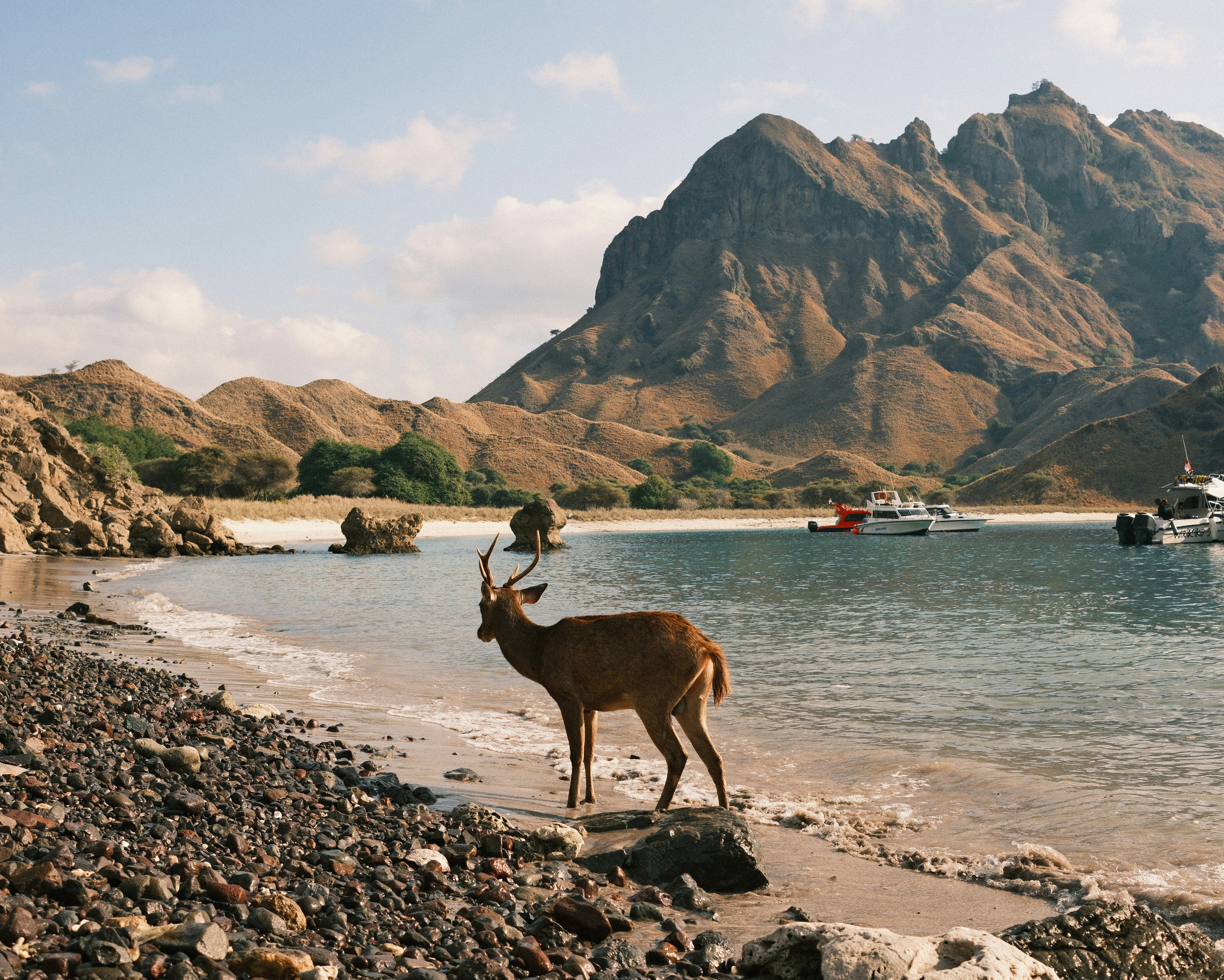
Komodo Island's Pink Beach – Where coral-tinged sand meets crystal waters, and the legendary Komodo dragons roam freely.
Mount Kelimutu's Tri-Colored Lakes – Three crater lakes that mysteriously change colors, from turquoise to green to black, sitting atop an active volcano in Flores.
Sumba's Megalithic Villages – Traditional settlements like Kampung Adat Ratenggaro, where tower-shaped ancestral houses stand beside ancient stone tombs, preserving a way of life thousands of years old.
The Savanna Landscapes of Timor – Rolling grasslands that challenge the stereotypical image of tropical Indonesia.
West Nusa Tenggara's Natural Wonders
NTB, covering 20,153 square kilometers across Lombok and Sumbawa islands, offers its own spectacular scenery:
Mount Rinjani – At 3,726 meters, this active volcano towers over Lombok, attracting adventurous trekkers to its crater lake and hot springs.
Pristine Beaches – From the surf breaks of Kuta Lombok to the tranquil waters of the Gili Islands, NTB has become a haven for beach lovers.
The Moyo Satonda Landscape – A critical conservation area for the endangered Yellow-crested Cockatoo, where community-based conservation efforts are protecting biodiversity.
A Linguistic Kaleidoscope
Perhaps nothing illustrates Nusa Tenggara's diversity better than its languages. While NTB hosts 11 regional languages, NTT is home to an astonishing 69 distinct languages—making the region one of the most linguistically diverse places on Earth.
Languages as Cultural Guardians
These aren't just different ways of saying the same things—each language carries unique worldviews, traditional knowledge, and cultural values:
Sasak (Lombok) has three levels of formality and five dialects, reflecting the sophisticated social structures of its speakers
Kupang Malay serves as the lingua franca of NTT's capital, blending Indonesian with local influences
Languages like Sara Sikka Krowe and Sara Lu'a Kapa Raja preserve ancient wisdom and traditional practices
Many of these languages are used in sacred ceremonies, traditional arts, and oral histories that stretch back centuries. Efforts to preserve and revitalize languages like Dawan, Manggarai, Kambera, Rote, and Abui recognize them as irreplaceable cultural treasures.
The Peoples of Nusa Tenggara
West Nusa Tenggara (Population: 5.6 million)
The Sasak people dominate Lombok, while the Bima and Sumbawa ethnic groups call Sumbawa island home. In the capital Mataram, you'll find a cosmopolitan mix including Balinese, Arab, Chinese, and Malay communities—creating a vibrant multicultural atmosphere.
The region is predominantly Muslim, with Islam arriving around the 16th century through Javanese traders and teachers. Today, Lombok is known as the "Island of a Thousand Mosques."
East Nusa Tenggara (Population: 5.6 million)
NTT represents one of Indonesia's most ethnically diverse provinces, with over 20 major ethnic groups:
Atoni (Dawan) – The largest group in West Timor
Manggarai – Dominant in western Flores
Sumba peoples – Known for their megalithic traditions and intricate textiles
Rote – Famous sailors and the creators of the haunting sasando musical instrument
Alor, Ngada, Ende, Lamaholot – Each with unique cultural practices
This diversity extends to religion and belief systems. While Christianity is dominant (introduced by Portuguese missionaries in the 16th-17th centuries), traditional beliefs like Marapu in Sumba continue to shape daily life and ceremonies.
Living Traditions
Architecture That Tells Stories
Traditional houses in Nusa Tenggara aren't just shelters—they're philosophical statements:
Sabu traditional houses resemble boats, reflecting the maritime heritage of these master sailors.
Dawan houses follow strict traditional rules that embody cosmological beliefs about the universe's structure.
Mbaru Gendang in Manggarai serve as the cultural and spiritual center of villages, towering structures that house multiple families and sacred objects.
Ceremonies and Rituals
Traditional ceremonies remain vibrant expressions of cultural identity:
Pasola – Sumba's spectacular ritual mounted combat, where hundreds of horsemen hurl wooden spears in a controlled battle that honors ancestors and celebrates the harvest.
Bijalungu Hiu Paana – West Sumba's elaborate thanksgiving ceremony, involving the entire community in days of feasting and ritual.
Traditional wedding customs – Each ethnic group maintains unique marriage ceremonies, from elaborate negotiations to symbolic gift exchanges.
Arts and Performance
Traditional arts flourish across the region:
Tari Bonet – The graceful dance of the Dawan people
Sasando music – Rote's distinctive instrument creates ethereal soundscapes
Traditional weaving produces ikat textiles that are worn in ceremonies and traded internationally
A Journey Through Time
Ancient Beginnings
Archaeological evidence shows human settlement in Nusa Tenggara dating back millennia. Prehistoric communities survived through hunting, fishing, and early agriculture, developing sophisticated oral traditions and social structures.
Trading Crossroads (Ancient Period)
Nusa Tenggara gained importance as a source of sandalwood (especially from Timor), attracting traders from across Asia. While Hindu-Buddhist influence was less pronounced here than in Java, these early trade connections shaped local cultures.
The Arrival of World Religions
Islam (16th century) – Brought by Javanese and Malay traders, Islam took root in western areas, particularly Lombok and Sumbawa.
Catholicism (16th-17th century) – Portuguese missionaries established Christianity in eastern areas, creating the unique religious landscape that persists today. The first Islamic teacher in NTT is believed to be Syahbudin bin Salman Al-Faris in the late 15th century.
Colonial Era
Portuguese and Dutch colonial powers left lasting impacts:
Portuguese control of eastern Timor influenced architecture, religion, and some vocabulary
Dutch administration formalized governance structures and introduced Western education
Local kingdoms transformed into Swapraja (self-governing territories) under colonial oversight after 1908
Independence and Modern Identity
After Indonesian independence in 1945:
1958 – West Nusa Tenggara established as a province
Post-independence era saw efforts to preserve traditional cultures while modernizing infrastructure
Local cultural councils (Dewan Kebudayaan Daerah) work to balance tradition with contemporary life
Literary Voices
Oral Traditions
Before written literature, oral traditions preserved history and wisdom:
Dawan oral literature includes:
Sloka – traditional proverbs and wise sayings
Cicempedan – riddles that challenge and educate
Tembang – various song forms for different occasions
Contemporary Literature
Modern NTT has produced numerous acclaimed writers who bring local perspectives to Indonesian literature:
Gerson Poyk – One of NTT's most celebrated authors, his novels like "Sang Guru" and "Requiem untuk Seorang Perempuan" explore social issues and cultural conflicts.
"Ata Mai" (The Newcomer) – This important novel documents the real conditions of Ende-Lio society in Flores, addressing poverty, women's rights, and education challenges.
Anthologies – Collections like "Nyanyian Sasando" (Sasando's Song) and "Cerita dari Selat Gonsalu" (Stories from Gonsalu Strait) showcase NTT's diverse literary voices.
These works serve multiple purposes: documenting social realities, preserving cultural knowledge, and contributing unique perspectives to Indonesian national literature.
Philosophy and Worldview
Living Philosophy
Traditional philosophy in Nusa Tenggara isn't abstract theory—it's lived daily through customs and values:
Taramiti Tominuku (Alor) – A principle emphasizing tolerance, mutual respect, and honoring differences, crucial for maintaining harmony among diverse ethnic groups.
Uma philosophy (Belu) – The concept of "Uma" goes beyond "house" to embody family identity, ancestral connections, and social responsibilities.
Mbaru Gendang symbolism (Manggarai) – These traditional houses represent cosmological beliefs about the relationship between heaven, earth, and the underworld.
Catholic Philosophy and Education
Catholic institutions in NTT have developed unique philosophical approaches that blend Western thought with local values, particularly in seminaries training future priests to serve local communities while maintaining cultural relevance.
Cultural Preservation in the Modern Age
Today, Nusa Tenggara faces the challenge of preserving its rich cultural heritage while embracing development:
Language revitalization programs work to document and teach endangered languages to younger generations.
Cultural exhibitions and performances keep traditional arts alive and accessible.
Eco-cultural tourism offers economic incentives to preserve traditions while sharing them with visitors.
Local cultural councils balance innovation with tradition, ensuring cultures evolve without losing their essence.
Why Nusa Tenggara Matters
In an increasingly homogenized world, Nusa Tenggara stands as a testament to the value of diversity. Its 78 languages, 20+ ethnic groups, and countless unique traditions demonstrate humanity's creative potential for adapting to different environments while maintaining distinct identities.
From the pink beaches of Komodo to the megalithic villages of Sumba, from the three-colored lakes of Kelimutu to the thousand mosques of Lombok, Nusa Tenggara offers more than beautiful scenery—it offers a window into ways of life that have persisted for millennia.
Whether you're drawn by the promise of adventure, the richness of cultural traditions, or simply the warmth of communities that still practice genuine hospitality, Nusa Tenggara invites you to discover Indonesia beyond the typical tourist trail.
Planning Your Visit
Best Time to Visit: April to October (dry season)
Getting There:
Lombok International Airport (NTB)
El Tari International Airport in Kupang (NTT)
Ferries connect the islands
Cultural Etiquette:
Dress modestly when visiting villages and religious sites
Always ask permission before photographing people
Remove shoes when entering homes and sacred spaces
Learn a few words in local languages—it's greatly appreciated
Must-See Destinations:
Komodo National Park (UNESCO World Heritage Site)
Mount Kelimutu
Traditional villages in Sumba
Mount Rinjani
Sasando music performances in Rote
Traditional markets in Kupang
Nusa Tenggara awaits—where every island tells a story, every language sings a different song, and every community preserves traditions that connect us to our shared human heritage.