
Sulawesi Informasi Umum
20 Agu 2024
Sulawesi Island Indonesia: Complete Guide to Geography, Culture & People 2024
Meta Description: Discover Sulawesi Island Indonesia - home to 19.5 million people across 174,600 km². Explore unique cultures, languages, landscapes, and the rich history of Indonesia's 4th largest island.
Last Updated: November 2024 | Reading Time: 12 minutes
Introduction: Discovering Sulawesi - Indonesia's Cultural Crossroads
Sulawesi, Indonesia's distinctive K-shaped island, stands as one of the archipelago's most fascinating destinations. As the 4th largest island in Indonesia, covering 174,600 square kilometers, Sulawesi offers travelers and culture enthusiasts an extraordinary blend of dramatic landscapes, ancient traditions, and vibrant ethnic diversity.
Home to 19.56 million people and more than a dozen major ethnic groups, Sulawesi represents a microcosm of Indonesia's incredible cultural richness. From the legendary seafaring Bugis people to the renowned Toraja with their elaborate funeral ceremonies, this island pulses with traditions that have shaped Southeast Asian history for millennia.
In this comprehensive guide, you'll discover:
Sulawesi's unique geography and distinctive landscapes
The island's major ethnic groups and their traditions
Linguistic diversity across six provinces
Historical development from prehistory to modern times
Cultural highlights and travel information
Sulawesi Geography: Understanding the Island's Unique Shape
Location and Size
Where is Sulawesi? Located between Borneo (Kalimantan) and the Maluku Islands, Sulawesi sits at the heart of the Indonesian archipelago at coordinates 2°08'N - 120°17'E.
Key Geographic Facts:
Total Area: 174,600 km² (67,413 square miles)
Ranking: 4th largest island in Indonesia, 11th largest in the world
Shape: Distinctive K-shape with four major peninsulas
Highest Peak: Mount Rantemario (3,478 meters) in South Sulawesi
The Distinctive Landscape
Sulawesi's geography is unlike any other island in Indonesia. Its unique formation consists of four major peninsulas separated by deep bays, creating a landscape that has historically fostered distinct cultural regions:
Northern Peninsula - Home to Manado and North Sulawesi's Christian-majority culture
Eastern Peninsula - The diverse Southeast Sulawesi region
Southern Peninsula - Heart of Bugis and Makassar maritime civilizations
Western Peninsula - Traditional homeland of the Mandar people
Natural Features and Ecosystems
Mountain Ranges: Sulawesi's interior is dominated by rugged mountain ranges, many containing active volcanoes. These mountains have historically isolated communities, contributing to the island's extraordinary cultural diversity.
Coastal Plains: Lowland areas are primarily restricted to coastal zones, where most urban centers and agricultural activities are concentrated.
Major Bays: The deep bays between peninsulas - including the Gulf of Bone and Gulf of Tomini - have been crucial maritime highways for centuries.
Climate: The island experiences high rainfall, particularly in mountainous regions, supporting lush tropical forests and diverse ecosystems.
Sulawesi Population: Demographics and Distribution
Overall Population Statistics
Total Population (2019): 19.56 million people
Male: 9.74 million
Female: 9.82 million
The population is distributed across six provinces, each with distinct demographic characteristics.
Population by Province
1. South Sulawesi (Sulawesi Selatan)
Population: 9.07 million (2020 Census) / 9.14 million (2021)
Area: 45,764.53 km²
Capital: Makassar (formerly Ujung Pandang)
Major Cities: Makassar, Pare-Pare, Palopo
Religious Demographics:
Islam: 88.33%
Protestant Christianity: 8.11%
Catholicism: 2.25%
Hinduism: 1.02%
Buddhism: 0.25%
Confucianism: 0.04%
2. North Sulawesi (Sulawesi Utara)
Population: 2.64 million (2021)
Capital: Manado
Notable: Majority Christian province with strong historical ties to the Netherlands
3. Southeast Sulawesi (Sulawesi Tenggara)
Population: 2.62 million (2020)
Capital: Kendari
Major Ethnic Group: Tolaki people
4. Central Sulawesi (Sulawesi Tengah)
Capital: Palu
Notable: Diverse mix of coastal and highland cultures
5. West Sulawesi (Sulawesi Barat)
Capital: Mamuju
Major Ethnic Group: Mandar people
Note: Newest province, established 2004
6. Gorontalo
Population: 1.18 million (2019)
Male: 589,000
Female: 588,000
Capital: Gorontalo City
Notable: Strong Islamic cultural influence
Major Ethnic Groups of Sulawesi: A Cultural Mosaic
Sulawesi's ethnic diversity is extraordinary, with each group maintaining distinct languages, customs, and traditions. Here are the major ethnic communities:
1. Bugis People - The Master Seafarers
Population: Approximately 6.36 million across Indonesia, with 3.6 million in South Sulawesi
The Bugis are Indonesia's most famous seafaring people, historically known for their maritime trading networks that stretched from Madagascar to the Philippines.
Cultural Highlights:
Traditional pinisi schooners (still built today)
Complex social hierarchy system
Rich manuscript tradition (Lontara script)
Famous for the epic literary work "I La Galigo"
Geographic Distribution: Primarily South Sulawesi, with significant diaspora communities throughout Indonesia and Malaysia
2. Makassar People - The Trading Powerhouse
The Makassar (also Makassarese) built one of maritime Southeast Asia's most powerful kingdoms in the 16th-17th centuries.
Cultural Highlights:
Historical Gowa Kingdom ruled regional trade
Strong maritime traditions
"Amanna Gappa" - Southeast Asia's earliest maritime law code (17th century)
Influenced Australian Aboriginal cultures through trepang (sea cucumber) trade
Legacy: Modern Makassar city (population 1.5+ million) remains eastern Indonesia's major commercial hub
3. Toraja People - The Highland Culture
The Toraja people of South Sulawesi's highlands are internationally famous for their elaborate funeral ceremonies and distinctive architecture.
Cultural Highlights:
Rambu Solo' - Multi-day funeral ceremonies that can last weeks
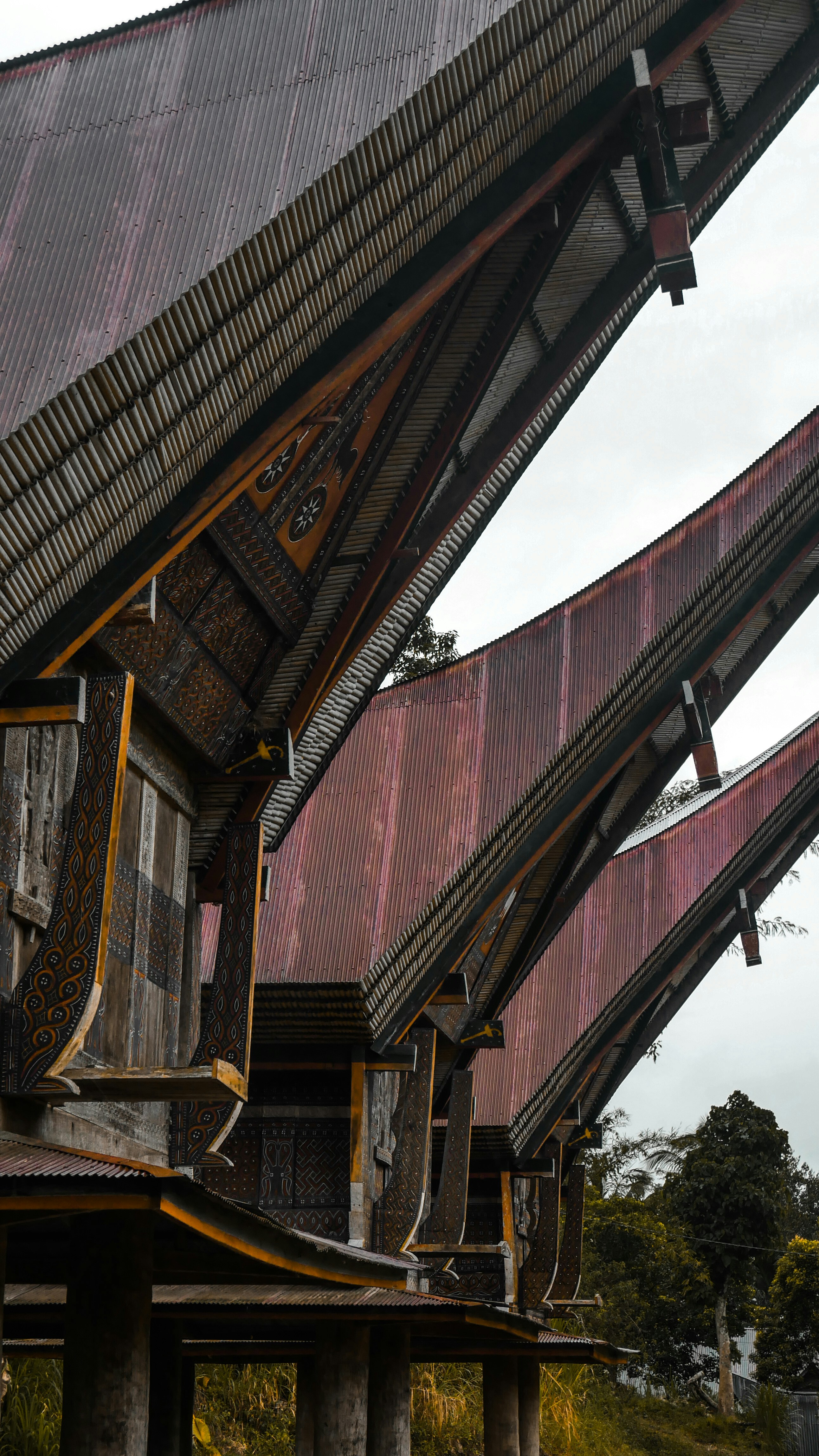
Tongkonan houses - Distinctive boat-shaped traditional homes with soaring roofs
Buffalo sacrifice traditions
Unique cliff burial sites (tau-tau effigies)
Christian majority (Dutch missionary influence) while maintaining traditional practices
Tourism Impact: Tana Toraja has become one of Indonesia's premier cultural tourism destinations
4. Minahasa People - The Northern Highlanders
The Minahasa people of North Sulawesi were among the first Indonesian groups to embrace Christianity and Western education during the Dutch colonial period.
Cultural Highlights:
Skilled woodcarvers and craftspeople
Rich culinary traditions (known for diverse cuisine)
Strong educational traditions
Historical "Tonaas" (village leader) governance system
Notable: Produced many Indonesian national leaders and intellectuals
5. Mandar People - Western Peninsula Inhabitants
The Mandar people, primarily in West Sulawesi, maintain strong maritime and agricultural traditions.
Cultural Highlights:
Traditional boat building
Islamic cultural influence
Nine distinct local languages and dialects
Agricultural expertise, particularly rice cultivation
6. Other Significant Groups
Tolaki People: Dominant in Southeast Sulawesi, with distinct language and customs
Sangihe-Talaud People: Island cultures north of Sulawesi with strong maritime traditions
Bolaang Mongondow: North Sulawesi group with unique cultural practices
Gorontalo People: Strong Islamic cultural identity in northeastern peninsula
Languages of Sulawesi: Linguistic Treasure Trove
Sulawesi's linguistic diversity reflects its geographic complexity and historical isolation of communities. The island hosts dozens of distinct languages, each representing unique cultural worldviews.
South Sulawesi Languages
Major Languages:
Bugis Language: Multiple dialects across regions, extensive written literary tradition
Makassar Language: Distinct from Bugis despite geographic proximity
Toraja Sa'dan: Highland language with several sub-dialects
Konjo: Spoken in southern coastal areas
Wotu: Lesser-known language in eastern areas
Cultural Significance: The Bugis and Makassar languages both use traditional Lontara script, one of Indonesia's indigenous writing systems still in limited use today.
North Sulawesi Languages
Major Languages:
Tondano (Toulour)
Tombulu
Tonsea
Tontemboan
Tonsawang
Ponosakan
Bantik
Bolaang Mongondow
Note: North Sulawesi shows exceptional linguistic diversity even within the Minahasa ethnic group, with multiple mutually unintelligible languages.
Southeast Sulawesi Languages
The region hosts nine major languages:
Tolaki
Kulisusu
Wolio
Moronene
Culambacu
Wakatobi
Lasalimu-Kamaru
Cia-Cia (famous for brief Hangul writing system experiment)
Muna
West Sulawesi Languages
Nine indigenous languages including:
Mandar (dominant)
Baras
Benggaulu
Budong-budong
Kone-konee
Gorontalo Languages
Gorontalo language with several dialects, showing Islamic influence in vocabulary.
The Role of Bahasa Indonesia
While regional languages remain vital for ethnic identity and daily communication within communities, Bahasa Indonesia serves as the crucial unifying language across Sulawesi's diverse ethnic groups, enabling inter-ethnic communication and commerce.
Cultural Traditions Across Sulawesi Provinces
South Sulawesi Cultural Wealth
South Sulawesi hosts what scholars call "high culture" - sophisticated artistic and cultural traditions that have influenced broader Indonesian culture.
Key Cultural Elements:
Tabe' Culture: Complex etiquette system emphasizing respect and hierarchy
Appalili: Agricultural rituals marking planting seasons
Ma'nene: Toraja tradition of caring for deceased ancestors' remains
Siri' Philosophy: Honor-based value system central to Bugis-Makassar identity
Kappara' Tradition: Community mutual assistance
North Sulawesi Cultural Features
Cultural Highlights:
Strong Christian traditions blended with indigenous customs
Renowned wood carving traditions
Musical heritage (including kolintang ensemble music)
Culinary diversity (often called Indonesia's spice region)
Gorontalo Islamic Heritage
Gorontalo culture reflects strong Islamic influence in:
Daily customs and etiquette
Traditional ceremonies and celebrations
Architectural styles
Educational systems
History of Sulawesi: From Prehistory to Modern Times
Prehistoric Era (30,000 BCE - 1500 CE)
Early Human Settlement
Archaeological Evidence: The Maros-Pangkep caves in South Sulawesi contain some of humanity's oldest known cave art, dating back approximately 40,000 years - making them among the world's oldest figurative paintings.
Key Discoveries:
Stone tools and evidence of early human habitation
Ancient fauna remains
Hand stencils and animal paintings
Evidence of maritime capabilities
These findings suggest Sulawesi was a crucial waypoint in early human migration from mainland Asia to Australia.
Ancient Maritime Kingdoms (1300-1600 CE)
Major Kingdoms
Gowa Kingdom (Makassar): Rose to prominence in the 14th century, becoming the dominant power in South Sulawesi by the 16th century.
Bone Kingdom: Major rival and sometimes ally of Gowa, eventually becoming the most powerful Bugis kingdom.
Luwu Kingdom: Considered the oldest and most prestigious kingdom, claiming descent from heaven-sent rulers.
Buton Sultanate: Important trading kingdom in Southeast Sulawesi.
Mandar Balanipa Kingdom: Dominant power in western peninsula.
Manado Kingdom: Northern maritime power.
Hindu-Buddhist Influence (1300-1500 CE)
While less pronounced than in Java or Bali, Hindu-Buddhist cultural elements reached Sulawesi through:
Javanese Majapahit Empire connections
Trading relationships with Sumatran kingdoms
Cultural exchange with Java
Evidence: References in the I La Galigo epic, Lontara texts, and the Negarakertagama chronicle suggest significant Javanese cultural influence on Sulawesi's aristocratic traditions.
Islamic Conversion Period (1600s)
The Transformation of Sulawesi
Islam arrived in Sulawesi through multiple channels:
Muslim traders from the Malay world
Deliberate conversion efforts by Islamic scholars
Political alliances requiring conversion
Pivotal Moment: In 1605, the powerful Gowa Kingdom converted to Islam, dramatically accelerating Islamization across South and Central Sulawesi.
Persian Cultural Influence: Islamic conversion brought Persian cultural elements, visible in:
Architectural motifs (lion symbols on graves and flags)
Literary traditions
Gravestone designs
Concepts of valor and nobility
The Golden Age of Makassar (1600-1669)
The 17th century marked Makassar's peak as a major international trading port.
Achievements:
Controlled the lucrative spice trade
Developed sophisticated maritime law (Amanna Gappa code)
Built extensive trading networks across Asia
Maintained independence while European powers colonized neighbors
Notable: Makassar welcomed English, Portuguese, Danish, and other European traders banned from Dutch-controlled ports, making it Southeast Asia's last major independent trading hub.
Colonial Period (1669-1945)
Dutch Conquest and Resistance
1669: The Dutch East India Company (VOC), allied with Bone Kingdom, conquered Makassar after fierce resistance, ending its independence.
19th Century: Various South Sulawesi kingdoms resisted Dutch control through:
Armed rebellions
Diplomatic maneuvering
Maintaining autonomous internal governance
Colonial Impact:
Introduction of cash crop agriculture (coffee, copra)
Christian missionary activity (especially in North Sulawesi and Toraja highlands)
Modern infrastructure development
Western education systems
Japanese Occupation (1942-1945)
Brief but impactful period affecting:
Economic systems
Political consciousness
Independence movements
Post-Independence Era (1945-Present)
1945-1950s: Integration into independent Indonesia, with regional rebellions and adjustments
1958: Establishment of various Sulawesi provinces as administrative units
1999-2000: Religious conflicts in Central Sulawesi (Poso) and Maluku region
2004: Creation of West Sulawesi as separate province
2018: Major earthquake and tsunami devastated Central Sulawesi (Palu)
Maritime Heritage: The Sea as Cultural Highway
Historical Maritime Powers
Sulawesi's distinctive geography made maritime culture essential to its development. The island's deep bays and natural harbors fostered seafaring traditions that influenced all of Southeast Asia.
The Bugis Trading Network
The Bugis people established one of history's most extensive indigenous trading networks, with documented presence in:
Madagascar (western Indian Ocean)
Singapore and Malaysia
Philippines
Northern Australia
Throughout the Indonesian archipelago
Pinisi Boats: These traditional schooners, still built in South Sulawesi, represent centuries of shipbuilding knowledge. Modern pinisi boats remain in commercial use, connecting remote Indonesian islands.
Makassar's Maritime Law
The Amanna Gappa maritime code (17th century) regulated:
Ship ownership rights
Crew responsibilities and wages
Cargo handling procedures
Dispute resolution
Salvage rights
This sophisticated legal framework demonstrates Makassar's advanced maritime administration.
The Mandar Boat Builders
The Mandar people of West Sulawesi continue traditional boat-building crafts, maintaining knowledge passed through generations.
Modern Sulawesi: Contemporary Culture and Challenges
Cultural Preservation Efforts
Contemporary Sulawesi balances tradition with modernization through:
Cultural festivals celebrating ethnic heritage
Language preservation programs in schools
Traditional craft cooperatives supporting artisans
Museum developments documenting history
Tourism initiatives in Tana Toraja and other cultural centers
Economic Development
Major Industries:
Agriculture (rice, cocoa, coffee)
Fishing and aquaculture
Mining (especially nickel)
Tourism
Manufacturing in urban centers
Urban Growth: Makassar has emerged as eastern Indonesia's major city, with modern infrastructure supporting regional commerce.
Social Dynamics
Unity in Diversity: Bahasa Indonesia successfully bridges ethnic divisions, enabling peaceful coexistence of diverse groups.
Religious Harmony: Despite the 2000s conflicts, most regions maintain peaceful interfaith relations between Muslim, Christian, and traditional belief practitioners.
Migration: Internal migration creates increasingly multicultural urban centers while rural areas maintain traditional cultures.
Planning Your Visit to Sulawesi
Top Destinations
Tana Toraja (South Sulawesi)
Best For: Cultural immersion, unique architecture, funeral ceremonies Highlights: Tongkonan houses, burial sites, traditional villages, stunning mountain scenery Best Time: Funeral season (July-September)
Makassar (South Sulawesi)
Best For: History, seafood, urban culture, diving access Highlights: Fort Rotterdam, Losari Beach, Bugis seafood, pinisi harbors Gateway: El Tari International Airport
Bunaken National Park (North Sulawesi)
Best For: World-class diving and snorkeling Highlights: Coral walls, marine biodiversity, clear waters Access: Short boat ride from Manado
Wakatobi (Southeast Sulawesi)
Best For: Pristine diving, marine conservation Highlights: Untouched reefs, resort diving, marine research Note: More remote but spectacular
Togean Islands (Central Sulawesi)
Best For: Off-the-beaten-path adventure Highlights: Jellyfish lake, traditional Bajo sea gypsy villages, diving
Getting There
Major Airports:
Sultan Hasanuddin International Airport (Makassar) - main hub
Sam Ratulangi International Airport (Manado)
Haluoleo Airport (Kendari)
Inter-Island Travel:
Ferry connections between peninsulas
Local flights between provincial capitals
Road networks (varying quality)
Cultural Etiquette
Dress Modestly: Especially in Muslim-majority areas and traditional villages
Respect Ceremonies: Always ask permission before photographing funerals or religious events
Remove Shoes: When entering homes, mosques, or churches
Use Right Hand: For giving/receiving items and eating
Learn Key Phrases: Basic Bahasa Indonesia appreciated; local language phrases earn extra respect
Best Time to Visit
Dry Season: April to October (best for most activities)
Wet Season: November to March (expect afternoon rains but fewer tourists)
Festival Season: July-September for Toraja funeral ceremonies
Frequently Asked Questions About Sulawesi
What is Sulawesi famous for?
Sulawesi is famous for the Toraja people's elaborate funeral ceremonies, ancient cave art (world's oldest figurative paintings), exceptional diving sites (Bunaken, Wakatobi), unique wildlife (babirusa, anoa, tarsiers), and the seafaring Bugis culture.
How many people live in Sulawesi?
Approximately 19.56 million people live across Sulawesi's six provinces (2019 data), making it Indonesia's fourth most populous island.
What languages are spoken in Sulawesi?
Sulawesi hosts dozens of indigenous languages including Bugis, Makassar, Toraja, Minahasa languages, Mandar, and many others. Bahasa Indonesia serves as the common language across ethnic groups.
Is Sulawesi safe for tourists?
Yes, Sulawesi is generally safe for tourists. Major tourist areas like Tana Toraja, Makassar, and Bunaken welcome international visitors. Standard travel precautions apply, and some remote areas have limited infrastructure.
What is unique about Sulawesi's shape?
Sulawesi's distinctive K-shape with four major peninsulas separated by deep bays is unique among large islands. This geography created isolated regions that developed distinct cultures and languages.
What is the main religion in Sulawesi?
Islam is predominant in South, Central, West, and Southeast Sulawesi. Christianity (Protestant and Catholic) dominates in North Sulawesi and Tana Toraja. Some communities maintain traditional beliefs.
When did Islam come to Sulawesi?
Islam arrived gradually through traders and was adopted by major kingdoms in the early 1600s. The Gowa Kingdom's conversion in 1605 accelerated Islamization across much of the island.
Conclusion: Sulawesi's Enduring Appeal
Sulawesi stands as a testament to Indonesia's extraordinary cultural diversity. From the prehistoric cave paintings that mark humanity's artistic beginnings to the living traditions of dozens of ethnic groups, the island offers endless opportunities for discovery.
Whether you're drawn by the promise of world-class diving in Bunaken's pristine waters, fascinated by Toraja funeral traditions that blend Christianity with ancient customs, or eager to explore the maritime heritage of the legendary Bugis seafarers, Sulawesi rewards curious travelers with authentic cultural experiences.
Key Takeaways
✓ Size & Geography: Indonesia's 4th largest island (174,600 km²) with unique K-shaped peninsula formation
✓ Population: Home to 19.56 million people across six provinces
✓ Cultural Diversity: More than a dozen major ethnic groups, each with distinct languages and traditions
✓ Historical Significance: Contains some of world's oldest cave art; historical maritime trading powerhouse
✓ Religious Diversity: Primarily Muslim south and central regions; Christian north; traditional beliefs persist
✓ Top Attractions: Tana Toraja culture, Bunaken diving, Makassar history, traditional boat building
Start Planning Your Sulawesi Adventure
Sulawesi isn't just another tropical destination—it's a living museum of human cultural adaptation, where ancient traditions thrive alongside modern Indonesian life. The island's geographic isolation has preserved unique cultures found nowhere else on Earth.
From the highland villages where buffalo sacrifices honor the dead to coastal communities still building traditional sailing vessels, Sulawesi offers travelers something increasingly rare: authenticity. Here, culture isn't performed for tourists—it's lived daily by communities maintaining centuries-old traditions.
Ready to explore? Start with Makassar's historical sites, venture into Tana Toraja's mountains, dive Bunaken's walls, or trace the routes of Bugis traders. Sulawesi awaits—where every peninsula tells a different story.
Related Topics & Further Reading
Keywords: Sulawesi Indonesia, Toraja funeral ceremony, Bugis people, Makassar history, Bunaken diving, Indonesian ethnic groups, South Sulawesi culture, North Sulawesi tourism, Sulawesi languages, Indonesian islands
Related Destinations: Kalimantan (Borneo), Maluku Islands, Nusa Tenggara, Bali, Papua
Cultural Topics: Indonesian ethnic diversity, maritime Southeast Asia, traditional Indonesian architecture, Indonesian languages
Last updated: November 2024 | This guide is regularly updated with current travel information and cultural insights.
Share this guide: Help others discover Sulawesi's incredible cultural heritage and natural beauty.
Have questions? Leave a comment below or share your Sulawesi experiences with fellow travelers.